

Previously we looked at the value and functions of a long warm up as well as a brief stimulation and “work” segments of active recovery sessions. What may be even more looked over than the warm up is the cooldown. Ironically, this may be the most important part as it kickstarts the recovery process.
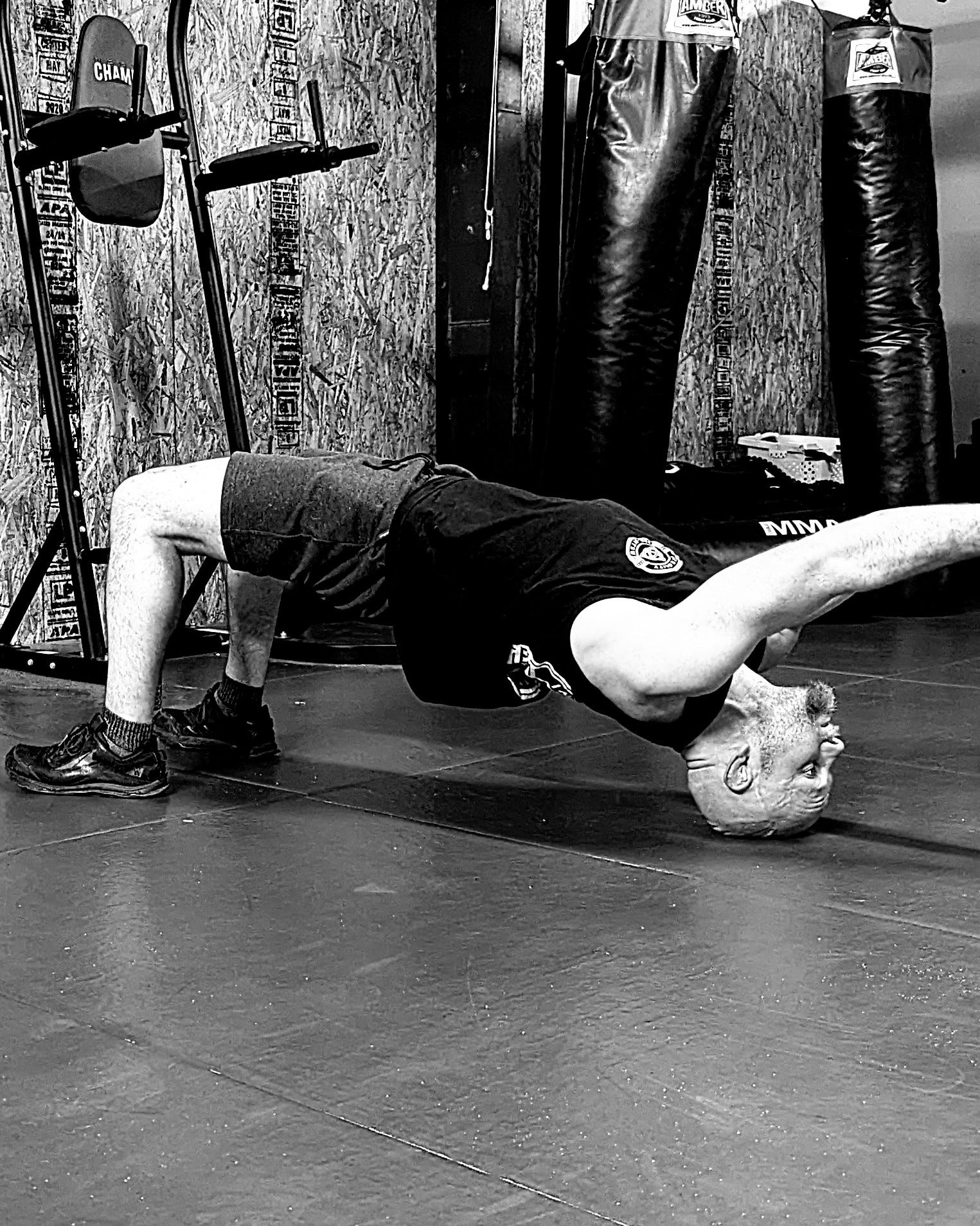
The purpose of a cooldown isn’t to add more junk volume. It’s to down-regulate the nervous system so that it can shift into a “rest and digest” (parasympathetic) state sooner. In the simplest terms, why wait until you’re home from the gym to start thinking about recovery?
In many way’s it’s practical and accurate to think of a cool-down as the opposite of a warm-up. Thus, we can follow a similar structure, just inverted. If a warm up focuses on increasing respiratory rate, blood flow, and stimulation; a cool down should move in the opposite direction.
This wouldn’t be a terrible place for static stretching as the tissues are warm, but I think this has a pretty modest return on investment, especially if we’re focusing on dynamic warm ups and developing mobility as part of the specific warm up.
What I would focus on is continued movement, decelerating heart rate and blood flow, and active breath management (specifically geared towards parasympathetic engagement).
One of the simplest ways to do that is to breathe and walk.
Don’t write this off just yet. The mild movement continues blood flow which allows for tissues to be “flushed” of waste products and nutrients to be delivered. If you’re fond of saunas or heat exposure, this is one of the main benefits – heat acts like pseudo-endurance training without additional structural stress.
For this reason it’s not inaccurate then to think of your cool-downs as warm-downs. The caveat though is that we need to actually be coming down, not burying ourselves deeper.
For the breath component, you will find and endless combination of holds and cadences online – even from reputable sources and especially within the literature. However, the most important things to note are that, like any other component of fitness, training and consistency are the trump cards.
Breathwork isn’t magic. It takes practice for that skill to be developed. It takes intention and training rather than a haphazard shoehorn. Generally speaking, down-regulating the central nervous system involves some combination of:
Fewer breaths per minute.
Extended exhales.
Nasal breathing (rather than mouth breathing).
Your warm-down walk might then look like:
Hopping on a treadmill at a casual walking pace.
Bringing attention to your breath.
Inserting a BRIEF pause at the TOP of inhales (when you’re able).
Inserting a BRIEF pause at the BOTTOM of exhales (when you’re able).
Focusing on extending the exhale even if it’s through your mouth (comfortably, not forced).
Repeating this process with a nose-nose breath (again, as you’re comfortably able).
This series wouldn’t be complete if we didn’t talk about some general recovery principles that tend to get either micro-managed or overlooked. To be clear, recovery isn’t complicated. You need to:
Eat / Hydrate - ingest nutrients.
Move - deliver blood, flush waste, and deliver nutrients.
Sleep - repair tissue and psychological function.
Movement has been thoroughly covered up to this point, so let’s look at the other components.
Hydration isn’t just water, it’s inter and intra-cellualr mineral content; specifically sodium, potassium, and magnesium. Vitamins and minerals move more efficiently through a well hydrated system, so don’t wait until after your workout to do this. Pre- and intra-session hydration are critical parts to jump starting the recovery process.
With that in mind it may be helpful to think about your pre-workout supplements and meals as pre-recovery. You probably don’t want to slam 300mg of caffeine at 6:00 pm if you plan to go to bed at 10:00 pm. Getting some carbs, protein, and electrolytes in ahead of time keeps those resources on hand and ready to be used.
Protein is the king macro-nutrient. As long as you keep enough amino acids in circulation, nutrient timing matters much less. The idea that you can “only use 30g of protein at a time” is completely false. This is the peak rate of muscle-protein-synthesis (MPS), but says nothing of total usage. It’s like comparing acceleration to distance needed to travel.
Aiming for 1g of animal protein / lb of lean body mass is a common general starting point, but this could be bumped up quite a bit depending on personal circumstances.
About half of the protein you ingest is converted to glucose via gluconeogenesis. When people tell you “carbs aren’t necessary”, they’re referring to exogenous carbs. Glucose is actually so necessary, that your body will create it even if you don’t ingest it.
I’m a fan of low-carb diets in general and have never found any kind of “rocket-fuel” effect from re-introducing carbs. However, my ability to recover between consecutive training days has always benefited.
If you’re consistently training at a high intensity – and to be sure, many people overrate their effort – a similar dosage to protein (1g / lb of lean body mass / day) is a good starting point that that you can fiddle up or down depending on how you feel and your individual blood glucose / insulin response. Typically you’ll want to keep this focused around pre- and post-workout times, but your body and brain tend to not like huge glucose spikes.
Regarding sleep, most apps and devices provide a lot more noise than signal. It’s pretty easy to ask yourself how well you slept the night before. Quantity is important to a large extent, but quality is king. Some of the most valuable habits I’ve found are:
Cool head, warm feet (crank the AC, snuggle into a blanket).
Regular wake time (even on the weekends, don’t use them as an opportunity to double down on bad habits).
No caffeine 6-8 hours before bedtime.
No screens or food 1 hour before bedtime (or ideally a little longer).
Heavy blackout curtains (eye masks aren’t sufficient as there are light receptors in your skin).
Wake up around sunrise (ancestrally the sun was our clock).
In review, the active recovery formula that I’ve had great success with over the past 8 months and counting consists of:
A long general aerobic warm up.
Mobility work specific to a stimulation task.
A working block for targeted adaptation, short and sweet.
A focused cool-down and breathwork.
Most importantly, since training is only as good as your recovery, the things we do outside the gym are just as important as the things we do at the gym.
Figure out your nutrition.
Stay hydrated.
Sleep well.
Whether that’s on a weekly, monthly, or some other cycle, de-loading and other maintenance practices should be as consistent and actively planned as any other part of your training.
I'm bad about coffee in the evening.... Nobody's perfect.