

We seem to be living in an increasingly technocratic, data-driven, digital world. It’s never been easier to collect both useful and useless data about one’s own body — the quantified self. However, we may well be missing the entire point of an intuitive analog system that we can learn infinitely more from.
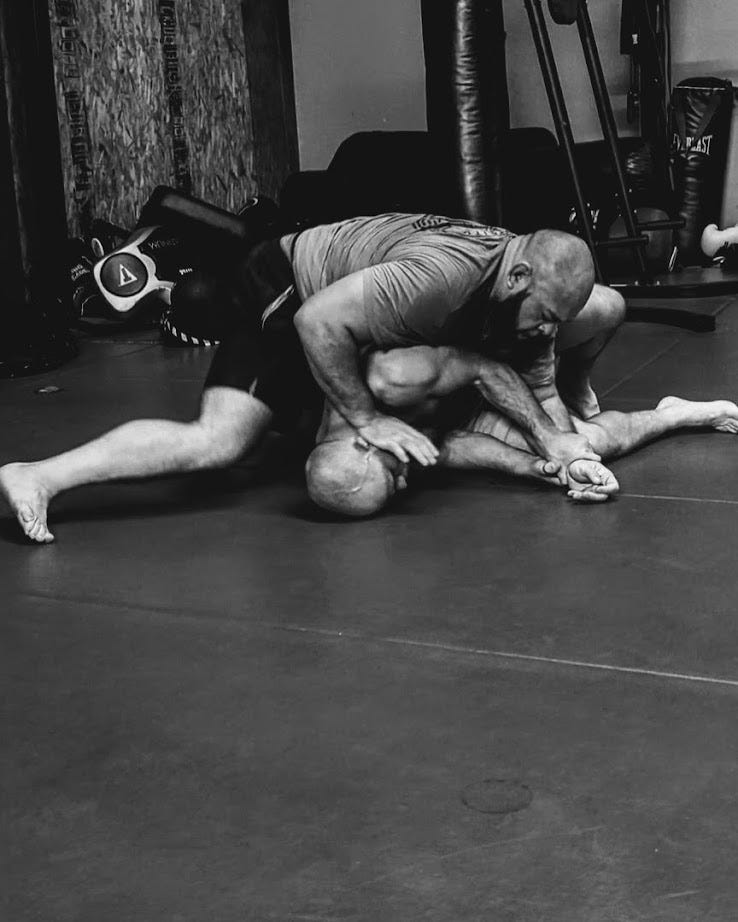
I’m a nerd. I like data and number crunching, at least when something interests me. A lifetime of grappling is pretty interesting. I’ve spent a disproportionate amount of time looking for a shortcut, as if some hidden metric existed that I could discover and gain a competitive edge from.
After all, I never claimed to be good at jiu jitsu or wrestling, just pretty tough and pretty smart, and those have taken me pretty far. But I’ll admit, that I always wanted to find a way to make things easy — isn’t that what technology is supposed to do?
Even when I was climbing, I was far more disciplined than I was talented. Though that didn’t produce the results you might expect especially if you live in a world of 10-second bro-sphere TikTok clips.
I’m not going to try to tell you that you should disband of all record keeping and accounting. If nothing else, they help pass the time and can give an outlet for the anxiety that comes with wishing you’ve arrived at a destination.
What I will say is that there’s a lot of clutter, at least in my own mind. That whole “artistry” part of “martial arts” requires some chaos and ambiguity for creativity to emerge.
With that said, there is a lot to envy about the “recreational” sports enthusiast that can “only” train twice per week, but when they show up, they’re 100% locked in. “Fear the weekend warrior” as Steve Bechtel once said.
1 Year of Data, 15 Years of Stories:
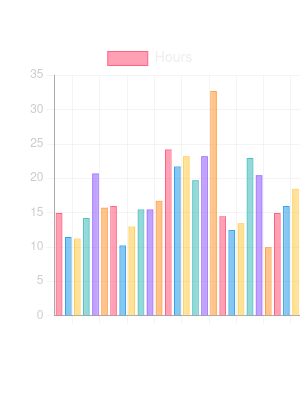
Maybe it was because of my first competition as a black belt, which was also my first competition in 5 years (ADCC Open ATL). Maybe it was the culmination of a lot of desperation and preoccupied anxiety, seeking validation, but I collected a ton of training data in the first 9 months of 2025.
You can admire the charts and graphs below if you’d like, but hopefully my recounting of a few stories from the past 15 years will be much more enlightening.
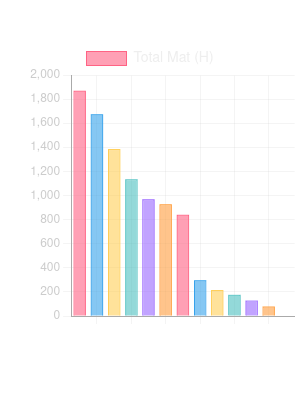
Lifetime Mat Hours (through 2025-09): 2356.5
This is one of the most ironic stats to me. Only in recent years have I had actual day-to-day records of time spent on the mat. There were segments of months and even years where there was no such record and I had to estimate the time based on class schedules and “about” how often I was going to class.
Once-upon-a-2010 social media was a fledgling entity. Everyone was a fighter. The idea of family-friendly boutique gyms hadn’t taken off yet. You showed up, sweat, bled, and did it again the next day. It wasn’t hazing, it was a litmus test for your character.
I was almost a statistic. Mid-way through my blue belt I spent 5 years getting lost in the mountains to (try to) find myself. I’ve thought before that climbing ruined me competitively. In reality, it fundamentally changed my perspective on who and what I was competing against.
Contrary to the fight-or-die and live-to-compete mentality of my white belt days, climbing became about pushing yourself when no-one else was looking. The smell of chalk, sweat, and sandstone baking in the Tennessee summer sun is just as potent as any wrestling mat or ring canvas.
I came back to grappling in 2019 because I was hitting that “purple belt” wall in climbing. The easy noob gains were mostly gone. To get better and go further was only going to get harder; requiring increasingly diminishing returns on investment. I decided that if I was only going to have the time to “get really good” at one thing, it was going to be grappling.
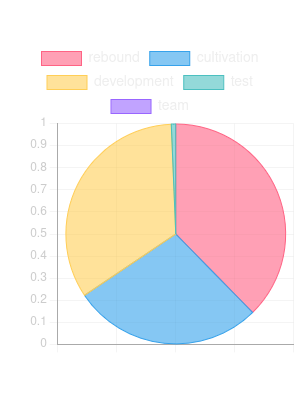
Before COVID closed gyms and myriads of solo-drill videos emerged on YouTube, there was a stretch of 100 days in 2019 where I did various line-drill type warms ups in my living room. Indeed, if I was going to get better, I needed to put more in. Training on the mat was hard. Training off the mat was mostly easy movement.
This was probably most spreadsheet-heavy time in career because I was trying to reinvent myself, prove myself to a new team and new coach, and also prove to myself that I still had the skills that were supposed to be represented by the belt I was wearing.
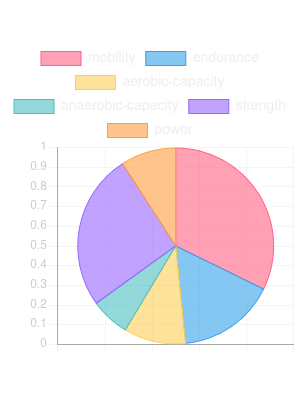
Getting my purple belt was probably the most significant event in my grappling history because it was the “didn’t quit” belt for me. The delivery was exactly as it should have been. There was no seminar, no fanfare. We lined up after the beginner class and before the advanced open mat started. Coach walked over to his desk, dug a belt out of a drawer, and said “Austin, come get this.” We clapped, took some pictures, then the next class started.
By that time, I had already built the habits and (at least the prototype of) skills that would be required for a black belt.
Lifetime BJJ Competition Record (through 2025-09): 16-5
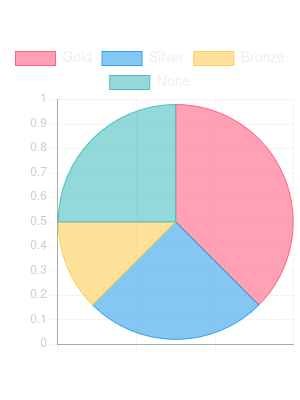
2020/21 is when I re-entered the competition arena. Like a lot of people at that time I was searching for answers and asking a lot of questions about myself and my work and needed to throw myself into or at something — hard.
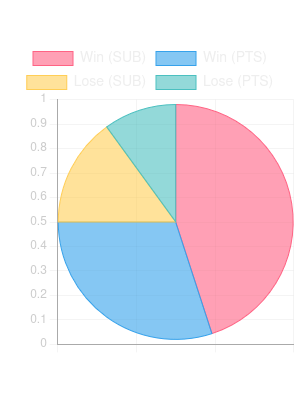
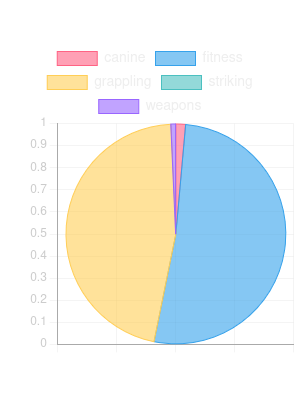
My time at brown belt was really a recapitulation of all the years prior. I dove into “basic” self-defense, weapons tactics, and “fundamental” jiu jitsu. As that progressed though, this became the most fitness-focused era that I can recall.
I had always like lifting and hated running, and somewhere along the way I developed an idol-worship for those who espoused an “always harder, or fuck you” attitude. If your lungs weren’t bleeding, was it even training?
Age, injury, and a better understanding of myself, my sport, and my art have tempered that significantly.
Back to the Future:
It baffles me that it’s been almost 2.5 years since I earned my black belt. In many ways, I can’t tell you what’s different. Likewise, nothing is the same.
The data I’ve presented above is “neat”, maybe even “interesting", but it’s not nearly as “cool” as the stories woven in between — the words missed by the numbers.
The irony of data collection for something as nuanced as one’s “grappling journey” is that it would take several lifetimes to tamp down and iron out the standard deviations, variances, and co-variates involved in order for the data to be useful.
So, what’s the point?
The point is that we ought not let science kill creativity. The “science” of fighting is only “settled” until someone decides to not play by the agreed upon rules (of engagement or knowledge). Art requires effort delivered over time, and must be verified by truth. Your willingness to change will say a lot about where you’ll end up after 2,000+ hours of effort.
This doesn’t mean that data is useless. It means that before you go down (another) AI or YouTube “deep dive” keep a few things in mind:
Your experience will (hopefully) always be your own; not defined by someone else.
When looking at the specifics of certain outliers (Gordon, Mica, Kade, etc.), recall that they are outliers for a reason. The aggregate of a group of outliers is likely much more useful information than the cherry-picked habits of an individual.
Don’t outsource your creativity to a spreadsheet. You only get so much Earth-time.
Look inward. Pay attention. Write some things down.
Good maps don’t come with instructions. You have to find the way yourself. You get a better story at the end that way.
Wow, the part about looking for a shortcut really hit home. What if the real 'algorithm' is less data, and more trusting our own analog sistems?